
Three Core Requirements for Laboratory O&M Management from FreshAir's Perspective
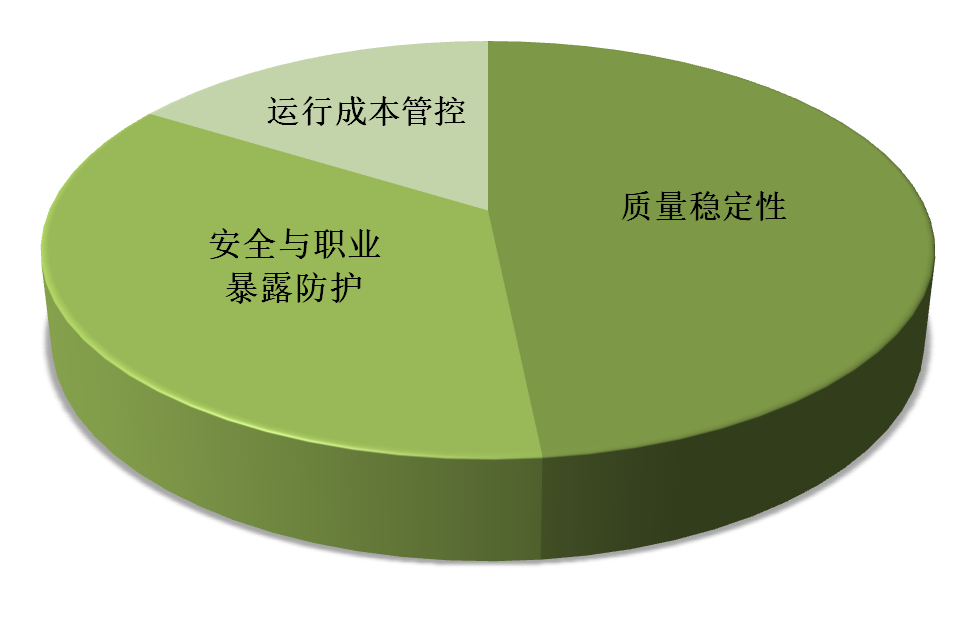
Laboratory operation and maintenance (O&M) shares common requirements with other public buildings, while featuring three distinct characteristics exclusive to laboratories:
(1) Requirements for occupational exposure protection .
Laboratory safety management poses great challenges. Apart from biosafety protection, occupational protection against physical and chemical hazards is also critical. Laboratories accommodate a large number of researchers, medical staff and administrators. With hazardous chemicals in storage and use, as well as high/low-temperature facilities, electricity, water, gas and steam systems in operation, comprehensive safety safeguards are indispensable.
(2) High stability requirements for laboratory building O&M.
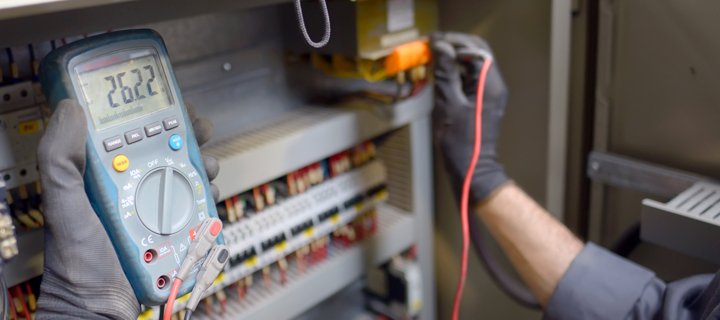
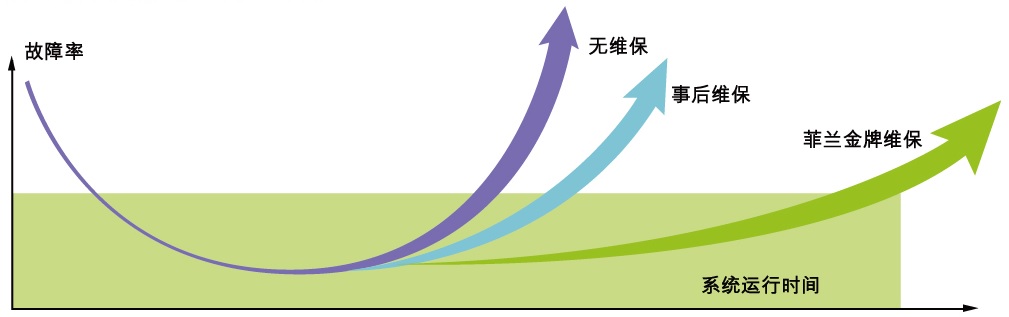
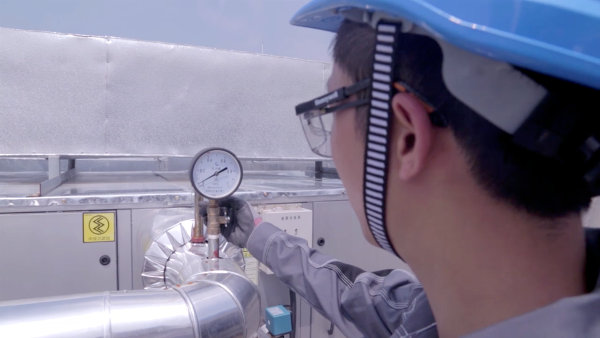
Laboratories are divided into public areas, dedicated zones and special areas, each with differentiated standards for temperature, room pressure, exhaust, sewage discharge and air exchange, calling for superior O&M quality. A full range of electromechanical systems are deployed, including cold and heat source systems, water supply and drainage systems, power distribution systems, clean air conditioning systems and medical gas systems. Accordingly, the O&M work demands high professionalism and uninterrupted service.
(3) High energy consumption and challenges in energy conservation management.
To maintain specified temperature, humidity, cleanliness, air quality and pressure difference, laboratories generally operate with high air change rates. Coupled with round-the-clock running of various high and low-temperature instruments and equipment, the energy consumption per unit area remains at a high level. Under the premise of ensuring normal operation, cutting daily operating costs has become a key focus of refined management for laboratory operators.
(1) Requirements for occupational exposure protection .
Laboratory safety management poses great challenges. Apart from biosafety protection, occupational protection against physical and chemical hazards is also critical. Laboratories accommodate a large number of researchers, medical staff and administrators. With hazardous chemicals in storage and use, as well as high/low-temperature facilities, electricity, water, gas and steam systems in operation, comprehensive safety safeguards are indispensable.
(2) High stability requirements for laboratory building O&M.
Laboratories are divided into public areas, dedicated zones and special areas, each with differentiated standards for temperature, room pressure, exhaust, sewage discharge and air exchange, calling for superior O&M quality. A full range of electromechanical systems are deployed, including cold and heat source systems, water supply and drainage systems, power distribution systems, clean air conditioning systems and medical gas systems. Accordingly, the O&M work demands high professionalism and uninterrupted service.
(3) High energy consumption and challenges in energy conservation management.
To maintain specified temperature, humidity, cleanliness, air quality and pressure difference, laboratories generally operate with high air change rates. Coupled with round-the-clock running of various high and low-temperature instruments and equipment, the energy consumption per unit area remains at a high level. Under the premise of ensuring normal operation, cutting daily operating costs has become a key focus of refined management for laboratory operators.