Energy-saving Environmental Control Technologies and Turnkey Solutions
Freshair focuses on environmental control technologies for laboratory animal research facilities, delivering integrated solutions covering planning, design, construction, operation and maintenance.
Forward-looking planning, scientific design and construction, and sustainable operation and maintenance are the three core pillars of a qualified laboratory animal research facility.
The planning, design and construction of such facilities is a rigorous and innovative process. It must align with research objectives, and functional requirements for design and construction vary across organizations. The facilities shall provide a safe, stable and hygienic environment for both animals and staff. Variations in environmental parameters directly affect the physiological conditions of laboratory animals and research data. In addition, our technical team works closely with clients to adopt appropriate environmental control technologies to enhance animal welfare.
Following the high-standard design and construction of animal laboratories, Freshair also provides professional environmental testing and monitoring services throughout the operational phase to ensure maximum client satisfaction. Our testing services include post-construction inspection and routine monitoring for animal housing and laboratory animal centers. Post-construction inspection shall be performed under static conditions after the HVAC or clean air conditioning system has run continuously for no less than 24 hours, while routine monitoring is conducted under dynamic operating conditions.
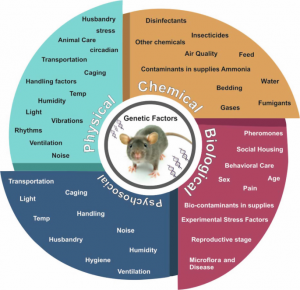
Environmental Control Parameters for AnimalLaboratory [1]
Environmental Control Parameters for Laboratory Animals
1. Temperature and Humidity
Ambient temperature is the most critical environmental parameter to be regulated in laboratory animal centers.
First, maintaining relative humidity between 40% and 60% inhibits microbial growth and prevents the spread of infectious diseases.
Moreover, with the exception of primates, most laboratory animals have underdeveloped or no sweat glands, making it difficult for them to dissipate heat and maintain a constant body temperature in hot environments. Excessively high temperature will degrade the quality and quantity of sperm in male animals, and cause estrous cycle disorders, insufficient lactation, reduced pregnancy rates and refusal to nurse in females. Low temperature can delay estrous cycles and cut breeding cycles. Humidity is directly linked to animals’ body temperature regulation. High relative humidity facilitates the proliferation of pathogenic microorganisms and mold growth on feed and bedding, raising the risk of infectious diseases. Extremely low humidity may lead to pupophagy in female mice and stunted growth in suckling pups. It also causes chapped skin and mucous membranes in animals and stirs up indoor dust, triggering respiratory diseases. When relative humidity drops below 20%, rats and mice are prone to tail necrosis, a condition with a high mortality rate.
2. Static Pressure Differential
Regulating pressure differentials between interconnected areas of the laboratory animal center maintains independent environmental zones and prevents air from non-clean areas from entering clean areas.
3. Air Cleanliness and Settling Microorganisms
Air cleanliness controls the quantity and particle size of airborne dust, stopping dust from acting as allergens or microbial carriers that harm laboratory animals and personnel. The count of settling microorganisms directly reflects the level of pathogenic contamination, and indirectly monitors air cleanliness and air change rates in animal facilities.
4. Noise
Excessive noise in animal laboratories causes stress in animals and triggers behavioral and physiological abnormalities. High noise levels reduce litter size and weaning rates, while increasing aggression and pupophagy among rodents. These adverse effects intensify as noise levels rise.
5. Working Illumination and Animal Lighting
Proper lighting ensures normal work for staff and sustains the natural physiological cycles of animals, which in turn affects their metabolism and reproduction.
6. Ammonia Concentration
Undisturbed nitrogenous waste in animal laboratories decomposes and generates large amounts of ammonia. Elevated ammonia levels irritate the conjunctiva, nasal mucosa and respiratory tract, causing lacrimation and cough. Severe cases may lead to pulmonary edema and pneumonia, resulting in animal deaths. Ammonia also negatively impacts litter size, weaning rates, inter-litter intervals and animal growth.
Freshair Matrix Energy Management System
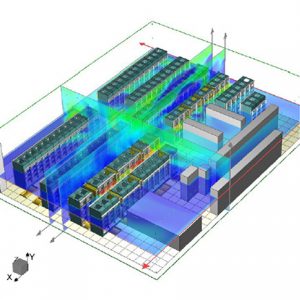
Freshair prioritizes operational reliability and energy consumption control. During the design phase, our technical team conducts modeling and operational simulation for laboratory animal research facilities alongside clients.
While fully complying with the accreditation standards of laboratory animal regulatory authorities, we adopt a matrix of solutions tailored to facilities with diverse research objectives, including high-efficiency heat exchange, Natur-O technology, optimized air distribution and intelligent laboratory management software. These measures help clients cut daily energy costs by up to 35%.
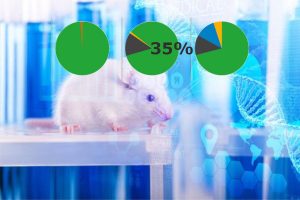
Benefits of Freshair's Matrix Energy-Saving Measures
For instance, proper air change rate is critically important. Blindly increasing the air change rate will easily cause dehydration in animals, accompanied by a sharp rise in noise and energy consumption. Freshair's Natur-O technology and optimized air distribution technology efficiently reduce the concentration of ammonia and other VOCs in animal housing environments, enabling the air change rate to be set within a more reasonable range.
References:
[1]Krushnarvind B. Patel,Planning and Designing of Laboratory Animal Facilities,Essentials of Laboratory Animal Science: Principles and Practices pp 53–84